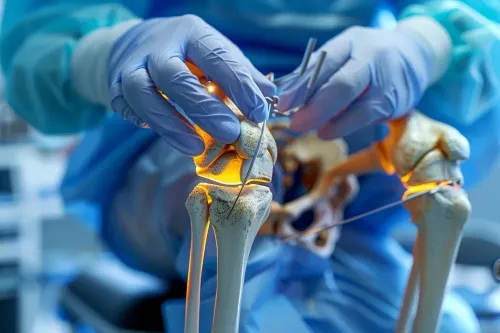
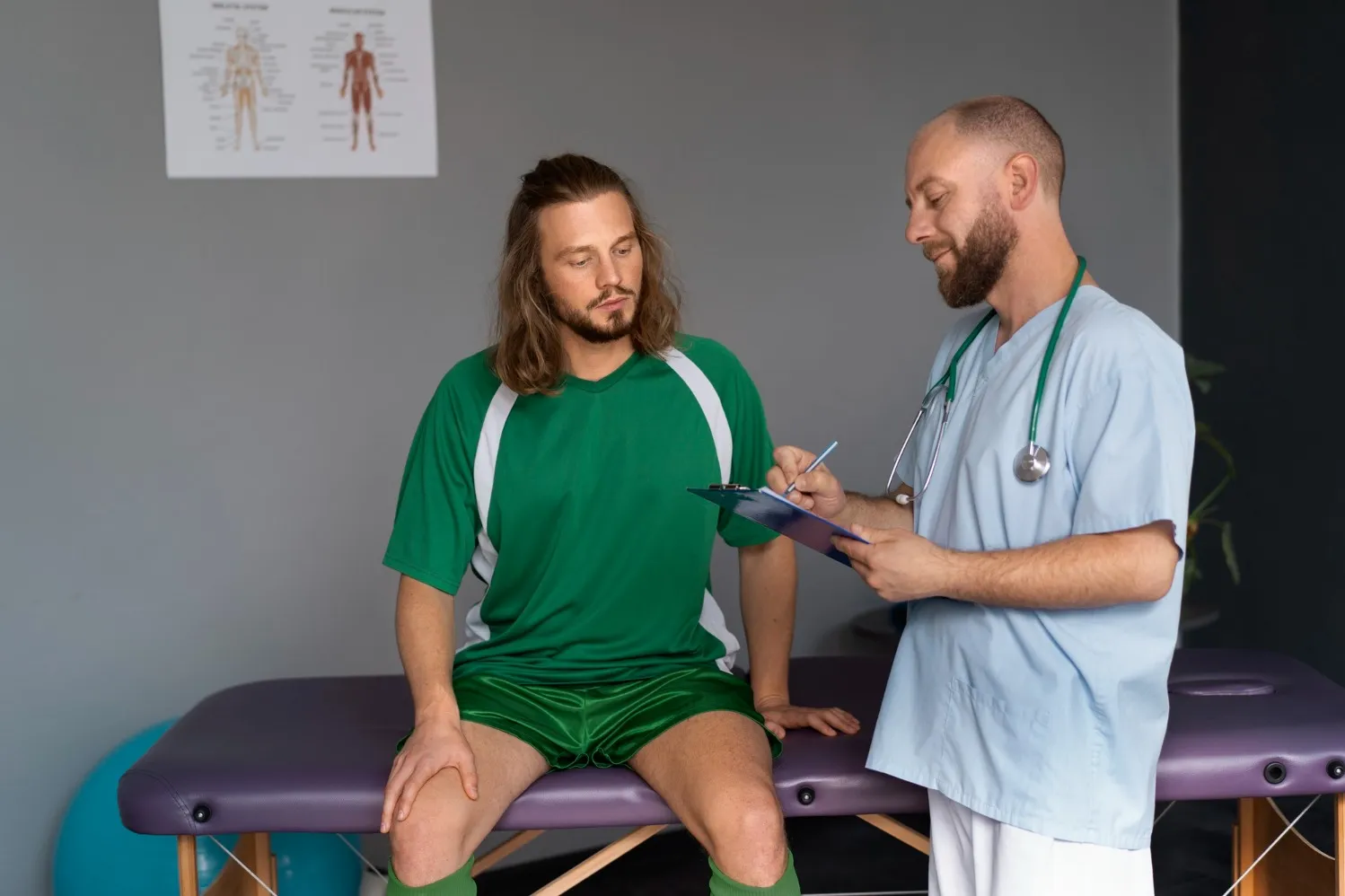
A sports injury does not have to happen during professional competition. Knee twists during football, ankle injuries while running, shoulder pain after gym training, and muscle or tendon problems during recreational exercise can all interfere with activity. Searching for the best sports doctor is often the next step when pain persists or returning to sport feels difficult.
For active individuals in Matunga, Mumbai, Maharashtra, the priority should be accurate injury assessment and a safe return-to-activity plan.
Common Sports Injuries Need Different Treatment
Not every sports injury is simply a sprain.
Orthopaedic sports-related conditions may include:
- ACL and other knee ligament injuries
- Meniscus tears
- Ankle sprains
- Shoulder instability
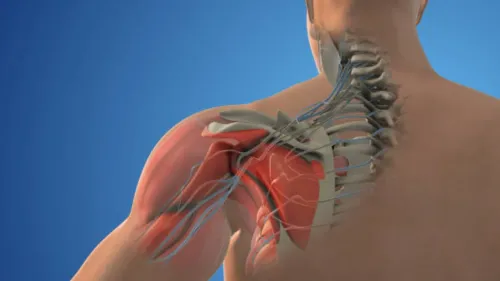
- Rotator cuff injuries
- Tendon problems
- Muscle injuries
- Cartilage damage
- Stress-related bone injuries
- Fractures and dislocations
The mechanism of injury can provide important clues. A sudden knee twist with swelling, for example, requires a different assessment from gradually developing knee pain during running.
Avoid Returning to Sport Based Only on Pain Relief
One common mistake is assuming that an injury has healed because pain has reduced.
Strength, joint stability, flexibility, coordination, and sport-specific movement may still be impaired. Returning too early can aggravate symptoms or expose the injured area to another injury.
Recovery should therefore focus on function, not simply the absence of pain.
What Does a Sports Injury Assessment Involve?
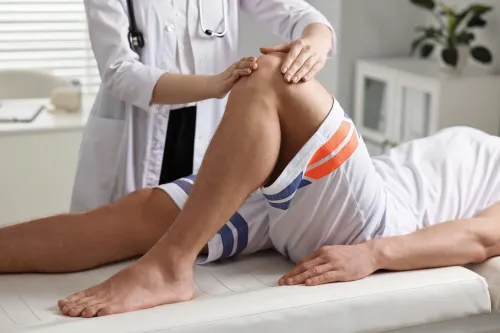
The doctor may evaluate how the injury happened, whether swelling developed, which movements trigger symptoms, and whether the joint feels unstable.
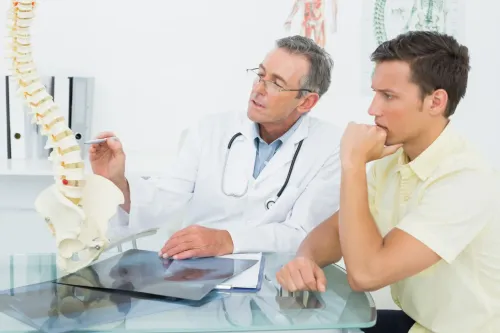
Clinical tests can assess ligament stability, muscle strength, movement, and the structures that may have been affected. X-rays, MRI, or other imaging may be recommended depending on the suspected injury.
Treatment can range from rest and rehabilitation to bracing, medicines, physiotherapy, injections in selected situations, arthroscopy, or ligament reconstruction when clinically appropriate.
One Ortho Clinic evaluates sports-related orthopaedic injuries for patients seeking to return safely to exercise, training, or recreational activity.
For Matunga residents who regularly run, play sports, work out, or maintain an active lifestyle, persistent pain should not simply be trained through. Early assessment is particularly worthwhile when an injury causes significant swelling, locking, instability, weakness, or repeated difficulty performing the same movement.
The goal of sports orthopaedic care is not merely getting someone active again quickly. It is helping them return with sufficient healing, strength, stability, and confidence for the demands of their chosen activity.
Keywords